
Is a 2-Day Serengeti Fly-In Safari Worth It?

Is a 2-Day Serengeti Fly-In Safari Worth It? Short answer: yes—for the right traveler, with the right expectations. A 2-day Serengeti fly-in safari can deliver an intense, rewarding wildlife experience if time is limited and flying replaces long road transfers. It is not a shortcut to “seeing everything,” and it is not ideal for everyone. This article breaks down the realities—honestly—so you can decide if it fits your trip, budget, and expectations.

Quick Verdict (Read This First)
A 2-day Serengeti fly-in safari is worth it if:
You have very limited time (often coming from Zanzibar)
You value wildlife time over road time
You accept that depth is traded for efficiency
It is not worth it if:
You want a slow-paced, multi-area exploration
You dislike flights in small aircraft
You expect to see everything the Serengeti offers
If that already resonates, read on for the details that matter.
What a 2-Day Serengeti Fly-In Safari Really Is (and Isn’t)
A 2-day Serengeti fly-in safari is not a compressed version of a longer safari. It’s a different travel logic altogether.
What it is:
A high-efficiency safari designed to maximize game viewing in a short window
A focused experience in a prime wildlife area of Serengeti National Park
A solution for travelers who simply cannot afford multi-day road travel
What it isn’t:
A comprehensive Serengeti exploration
A multi-region journey
A budget alternative to longer safaris
Understanding this distinction is key to deciding whether it’s worth the cost.
Why Fly-In Matters So Much for a 2-Day Serengeti Safari
Time Is the Real Currency
The Serengeti is vast. Reaching it by road can take 8–10 hours one way from northern Tanzania. On a 2-day trip, that would consume most of your safari time.
A fly-in safari replaces those drives with short scenic flights in light aircraft, landing on bush airstrips inside the park or very close to wildlife zones. That single choice is what makes a 2-day Serengeti safari even possible.
What Flying Changes in Practice
You arrive closer to wildlife, not at the park gates
Your first game drive often starts within minutes, not hours
You preserve energy for actual safari activities
Without flying, a 2-day Serengeti safari is usually impractical.
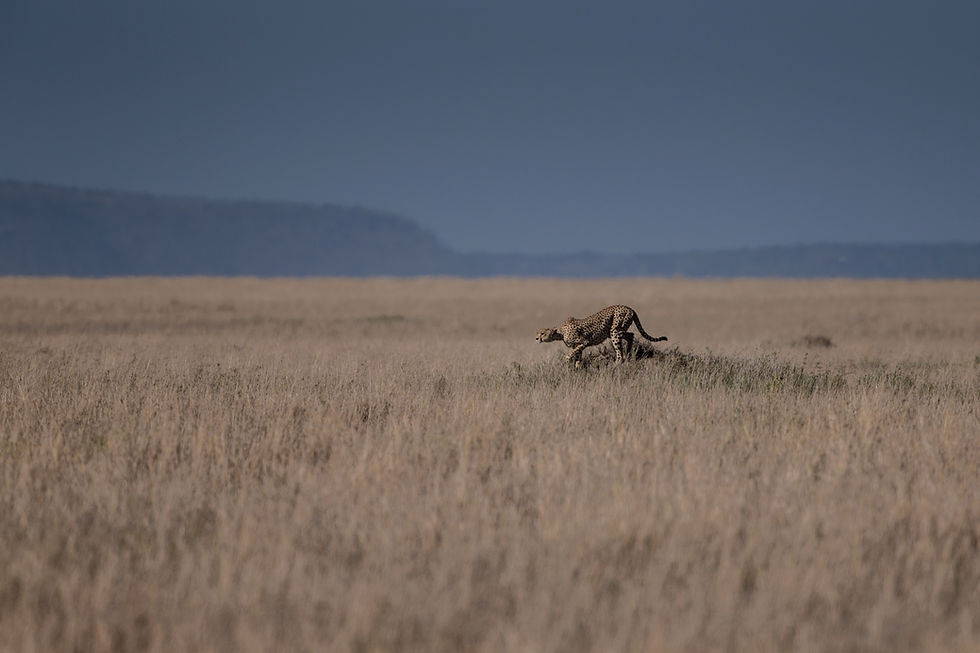
Giraffes moving across open plains in Serengeti National Park Lion roaming in savannah grass during Serengeti fly-in safari game drive wildebeest herd grazing near safari vehicle on short Serengeti safari
Flight Timing, Bush Airstrips & What to Expect
Light Aircraft Reality
Fly-in safaris use small, fixed-wing aircraft, not commercial jets. These planes typically carry 8–20 passengers and operate on set routes connecting safari regions.
This means:
Strict luggage limits (soft bags only)
Multiple short stops may occur
Flights are designed around safari logistics, not airline convenience
Bush Airstrips: Why They Matter
Bush airstrips are functional, not glamorous—and that’s a good thing. They exist to get you close to wildlife areas quickly.
Expect:
Simple dirt or gravel runways
Transfers ranging from 10–60 minutes to your lodge
Immediate immersion into the safari environment
For a 2-day safari, airstrip proximity often matters more than lodge luxury.
Actual Wildlife Time vs Travel Time (The Honest Breakdown)
This is where expectations must be realistic.
On a well-planned 2-day fly-in safari, you typically get:
An afternoon game drive on arrival day
A full morning game drive on the second day
That’s not a lot of time, but in the Serengeti—where wildlife density is high—it can still be incredibly rewarding.
What You Can See
Lions, elephants, buffalo, giraffes, zebras
Resident predators (depending on area)
Migration herds if you are in the right location and season
What You May Not See
Every ecosystem within the Serengeti
Rare or elusive species on demand
A full migration narrative if timing is off
This safari is about quality encounters, not quantity of areas.
Who a 2-Day Serengeti Fly-In Safari Is Ideal For
This option works best for travelers who:
Are already in Zanzibar and want a safari from Zanzibar “extension”
Have tight schedules but still want an authentic experience
Prefer efficiency and comfort over long overland travel
Are first-time safari travelers wanting a strong introduction
It’s also popular with:
Honeymooners
Seniors
Business travelers adding a short safari
Who It Is NOT Ideal For
A 2-day Serengeti fly-in safari is not recommended if you:
Want a slow, immersive safari rhythm
Enjoy long exploratory drives
Are uncomfortable with small aircraft
Are traveling on a strict budget
In those cases, a longer road safari or a different park may offer better value.
Fly-In vs Road Safari for a Short Serengeti Trip
The comparison isn’t about which is “better” overall—it’s about fit.
A fly-in safari:
Trades money for time
Maximizes wildlife viewing on short trips
Reduces physical fatigue
A road safari:
Trades time for lower cost
Requires longer itineraries to make sense
Offers more gradual transitions between regions
For a 2-day Serengeti trip, flying is usually the only option that delivers meaningful safari time.
The Cost Question: Is It Actually Worth It?
A 2-day Serengeti fly-in safari costs more than most short road safaris. That’s unavoidable.
What you’re paying for isn’t just the flight—it’s:
Access to remote wildlife areas
Time efficiency
Reduced travel fatigue
Logistical coordination in a very short window
For travelers with limited time, the value often outweighs the price. For travelers with flexible schedules, extending the safari may offer better overall return.
Common Mistakes Travelers Make
Expecting to “cover the Serengeti” in two days
Choosing lodges far from key wildlife areas
Underestimating how much planning matters on short safaris
Comparing costs without comparing time efficiency
Most disappointment comes from expectation mismatch, not from the experience itself.
In Short: Is a 2-Day Serengeti Fly-In Safari Worth It?
Yes, if:
Time is limited
Flying replaces long road travel
You accept a focused, high-impact experience
No, if:
You want depth over efficiency
You dislike flights
You expect a slow-paced safari
For travelers who fit the first profile, a 2-day Serengeti fly-in safari experience can be an unforgettable way to see one of Africa’s greatest wildlife regions without turning your trip into a logistical marathon.
The key is understanding what it delivers—and what it doesn’t—before you go.
Frequently Asked Questions About a 2-Day Serengeti Fly-In Safari.
Below are the most common questions travelers ask when considering a short Serengeti fly-in safari.
Is a 2-day Serengeti fly-in safari really enough time?
Yes, if flying replaces long road transfers and your expectations are realistic, two days can deliver meaningful wildlife encounters. You will focus on one prime area rather than covering the entire park. It is about intensity and efficiency, not depth.
Who is a 2-day Serengeti fly-in safari best suited for?
This safari suits travelers with limited time who still want an authentic Serengeti experience. It works especially well for visitors coming from Zanzibar or those on tight schedules. Comfort-focused travelers often benefit most from this format.
Who should avoid a 2-day Serengeti fly-in safari?
Travelers who want a slow-paced safari with multiple regions may feel rushed. Those uncomfortable with small aircraft may not enjoy the flights. Budget-focused travelers may find better value in longer road safaris.
Why does flying make such a big difference on a short Serengeti safari?
Flying removes long road journeys that would otherwise consume most of a short trip. This preserves time and energy for game drives instead of transfers. On a two-day safari, flying is what makes the experience viable.
How much actual wildlife time do you get in two days?
A well-planned trip usually includes an afternoon game drive on arrival and a longer drive the following morning. Wildlife density in the Serengeti means sightings can be frequent even in short periods. The experience is concentrated rather than spread out.
What wildlife can realistically be seen on a 2-day Serengeti safari?
Common sightings include lions, elephants, giraffes, zebras, and large herbivore herds. Predator sightings are possible but never guaranteed. The focus is on resident wildlife rather than covering every ecosystem.
Does a 2-day safari include the Great Migration?
It can, but only if timing and location align correctly. The migration moves throughout the year, and a short safari offers limited flexibility. Planning around seasonality is critical for realistic expectations.
How do bush airstrips affect the safari experience?
Bush airstrips allow aircraft to land close to wildlife areas rather than at distant gates. Transfers are usually short and often feel like an extension of the safari itself. This proximity saves time and reduces travel fatigue.
What are light aircraft like on fly-in safaris?
Light aircraft are small, fixed-wing planes designed for short regional flights. Seating is limited and luggage rules are strict for safety reasons. Flights are scenic and form part of the overall safari experience.
Is a fly-in safari safe in Tanzania?
Yes, safari aviation is well regulated and operated by experienced pilots. Flights follow strict safety standards and established routes. Weather and logistics are managed carefully by professional operators.
How does a fly-in safari compare to a road safari for two days?
Fly-in safaris prioritize time efficiency and comfort, while road safaris prioritize cost savings. On a two-day trip, road travel often consumes too much time to be practical. Flying generally offers better wildlife value in short durations.
Are 2-day Serengeti fly-in safaris suitable for first-time safari travelers?
Yes, as long as expectations are set correctly. First-time visitors often appreciate the comfort and efficiency of flying. It provides a strong introduction without the exhaustion of long drives.
Are these safaris suitable for seniors?
They are often ideal for seniors because they reduce physical strain from long road journeys. Lodges and camps typically offer comfortable, well-supported environments. Advance planning ensures smooth transfers and pacing.
Can families with children do a 2-day fly-in safari?
Yes, depending on lodge policies and flight schedules. Short safaris can work well for families who want a focused experience. Careful planning is essential to match activities and comfort levels.
Is a 2-day Serengeti fly-in safari wheelchair accessible?
Some aspects can be adapted, but full accessibility depends on aircraft access, vehicles, and lodge infrastructure. Not all camps or airstrips are suitable without modifications. Advance consultation is necessary to assess feasibility.
Does weather affect short fly-in safaris?
Fly-in safaris operate year-round, but weather can occasionally cause delays. Experienced operators plan buffers and alternatives to reduce disruption. Seasonal conditions also influence wildlife movement and visibility.
Is a 2-day Serengeti fly-in safari worth the cost overall?
It is worth the cost for travelers who value time, comfort, and focused wildlife viewing. The value comes from efficiency rather than duration. For those with more time, extending the safari often provides better overall return.


Comments